



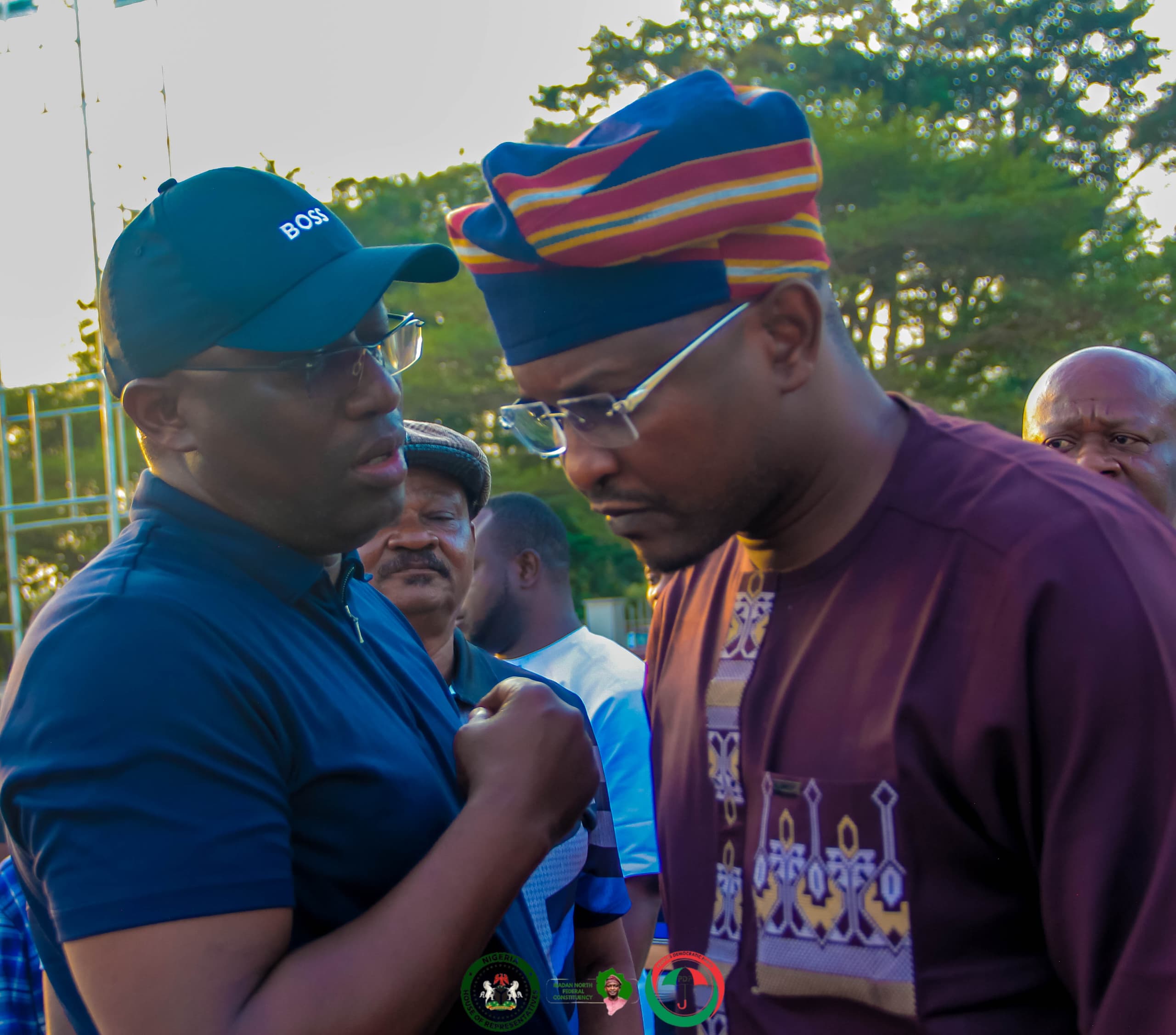
In a political climate where rhetoric often outweighs responsibility, the commitment of individuals like Otunba Seye Famojuro to youth development stands out as both refreshing and instructive.
Hon. Fola Oyekunle (DoN) was right to publicly acknowledge Famojuro’s deliberate investment in the younger generation. But beyond commendation, this moment invites a broader political reflection: youth empowerment should not be treated as charity — it is a strategic imperative for sustainable governance.
Across Nigeria, young people form the largest demographic bloc, yet remain the most underutilized political and economic force. Many leaders speak of inclusion; few actively create pathways for mentorship, opportunity, and structured guidance. Famojuro’s consistent engagement with youths demonstrates an understanding that real political legacy is not built on slogans, but on people.

Grooming young talents is more than offering occasional support. It requires time, access, exposure, and the deliberate transfer of values — discipline, integrity, and service. Leaders who recognize this are not merely supporting individuals; they are strengthening institutions and securing the future of their communities.
Hon. Oyekunle’s praise underscores an important principle: sustainable development begins with human capital development. Infrastructure may define a tenure, but empowered youths define a generation.
If more political stakeholders embraced this mindset — treating mentorship as a responsibility rather than a public relations strategy — Nigeria’s leadership pipeline would be stronger, more prepared, and more value-driven.
In the end, the true measure of leadership is not the offices occupied, but the lives shaped. And in that regard, the example set by Seye Famojuro deserves not only applause, but replication.
